

Understanding responsible gambling A guide to making informed choices
What is Responsible Gambling?
Responsible gambling refers to the practice of gambling in a way that does not harm oneself or others. It emphasizes the importance of making informed choices and recognizing the risks associated with gambling activities. Individuals engaged in responsible gambling understand their limits and set boundaries to avoid negative consequences. This concept promotes the idea that gambling should be an enjoyable pastime, not a source of distress, similar to how one may engage in online poker with a mindful attitude.
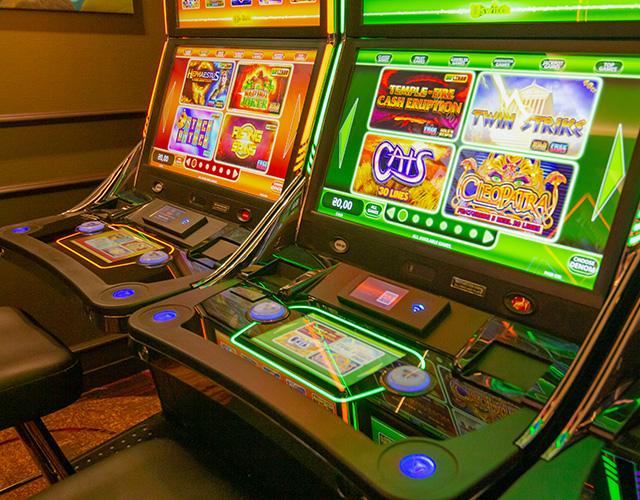
The psychological aspects of responsible gambling highlight the need for self-awareness. Gamblers should evaluate their motivations for participating in gambling activities and assess whether it serves as a form of entertainment or an escape from reality. By fostering a mindful approach, individuals can maintain control over their gambling habits and ensure that they engage in these activities safely.
Identifying Warning Signs of Problem Gambling
Recognizing the early warning signs of problem gambling is crucial in maintaining a healthy relationship with gambling. Some common indicators include an increased preoccupation with gambling, neglecting personal responsibilities, and a tendency to gamble more than planned. Understanding these signs can help individuals take proactive measures to address their gambling habits before they escalate.
Moreover, the psychological impact of gambling can lead to various emotional responses, such as anxiety and depression. Being aware of these feelings can prompt individuals to seek help or adopt strategies for managing their emotions while gambling. This self-reflection is key to making informed choices and ensuring that gambling remains a recreational activity.
Setting Limits and Boundaries
Establishing personal limits and boundaries is an essential aspect of responsible gambling. This includes setting a budget for gambling activities and sticking to it, ensuring that one does not exceed financial means. Additionally, time limits should also be established to prevent excessive gambling sessions that can lead to impulsive decisions.
Creating a structured approach to gambling can significantly reduce the risk of developing harmful habits. By planning when and how much to gamble, individuals can enjoy the entertainment value without compromising their financial and emotional well-being. This strategy encourages a balanced lifestyle, where gambling is just one of many leisure activities.
Seeking Help and Support
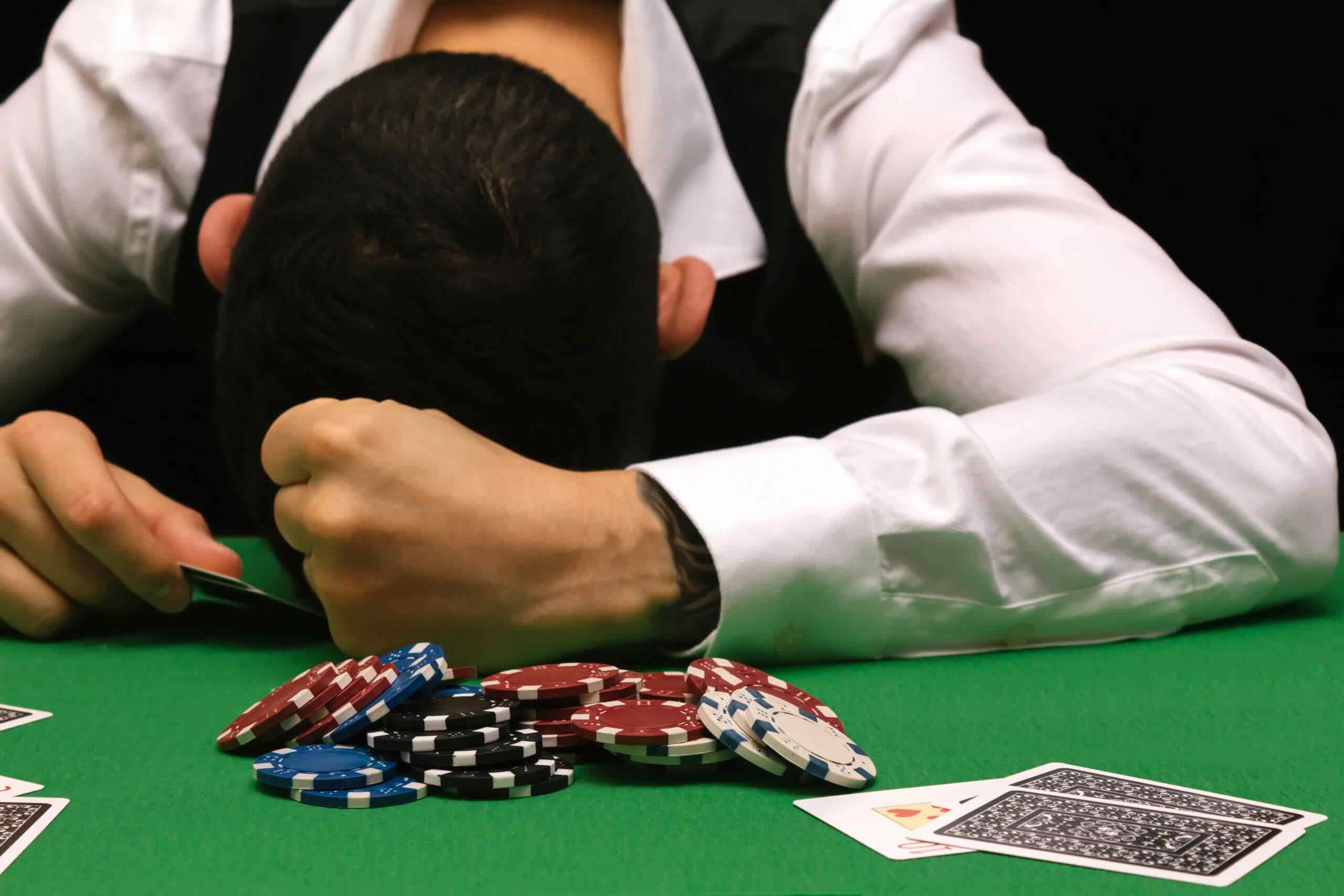
If gambling becomes problematic, seeking help and support is vital. Numerous resources are available for those who find themselves struggling, ranging from counseling services to support groups. These platforms provide a safe space for individuals to discuss their experiences and challenges with gambling in a non-judgmental environment.
Engaging with support networks can also foster a sense of community and understanding among individuals facing similar challenges. Acknowledging the need for help is a significant step towards recovery, and many have successfully navigated their way back to a healthier relationship with gambling through these resources.
Learn More About Responsible Gambling
For those interested in understanding responsible gambling further, various organizations and educational platforms offer resources and information. These websites provide valuable insights into responsible gaming practices, tools for self-assessment, and strategies for maintaining control over gambling habits. Learning from these resources can empower individuals to make informed choices and enjoy gambling responsibly.
In summary, responsible gambling is about enjoying the activity safely and thoughtfully. By recognizing personal limits, being aware of the psychological aspects, and seeking help when needed, individuals can cultivate a healthy relationship with gambling. It is essential to prioritize well-being and maintain a balanced approach to this popular pastime.